
At Chariot Energy, we get a lot of questions from curious energy
customers, but hands-down, the most frequently asked question is:
How can I conserve more energy at home?
There are just two ways you can accomplish this crucial
task:
Lucky for you, we compiled 29 tips and tricks to help you conserve
energy in your home, ranging from effortless to intense.
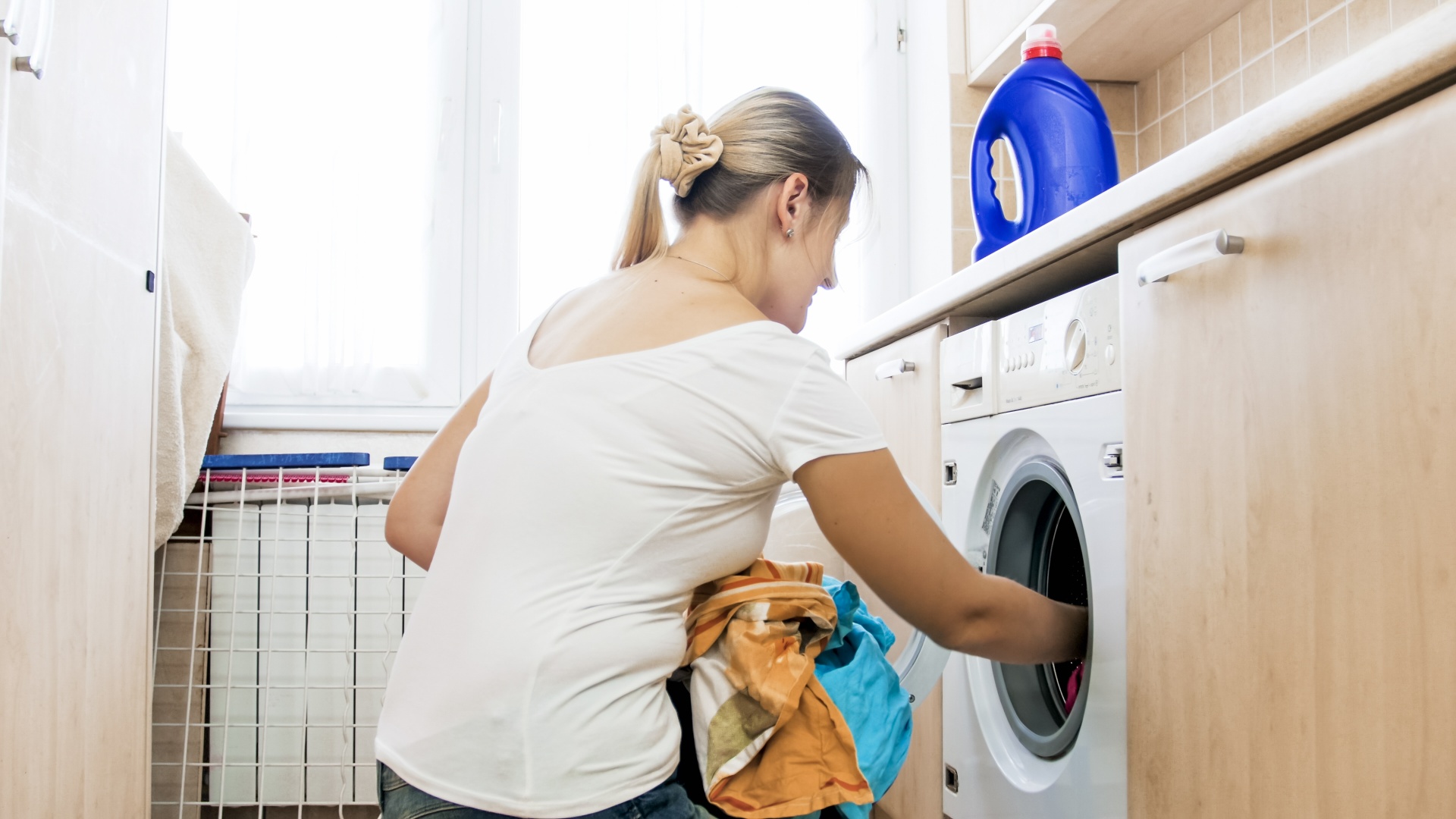
This tip is so easy, you don’t even have to think about it, which
is why we put it first! You can implement this tip right now. You could
save as much as $40 annually just by switching to cold water, according to the
EPA.1 It may not seem like a LOT, but
you’ll soon see these small tips start to add up.
Some of your clothes have to be air-dried anyway, so why not air
dry all of them? This isn’t as ideal for apartment dwellers, but if you have a
backyard, it’s easy to hang a clothesline and let your clothes dry under the —
wait for it — sun! We realize this still isn’t feasible for everyone, so our
extra tip for dryer users is to use the “cool-down” cycle and let the remaining
heat finish drying your clothes.2
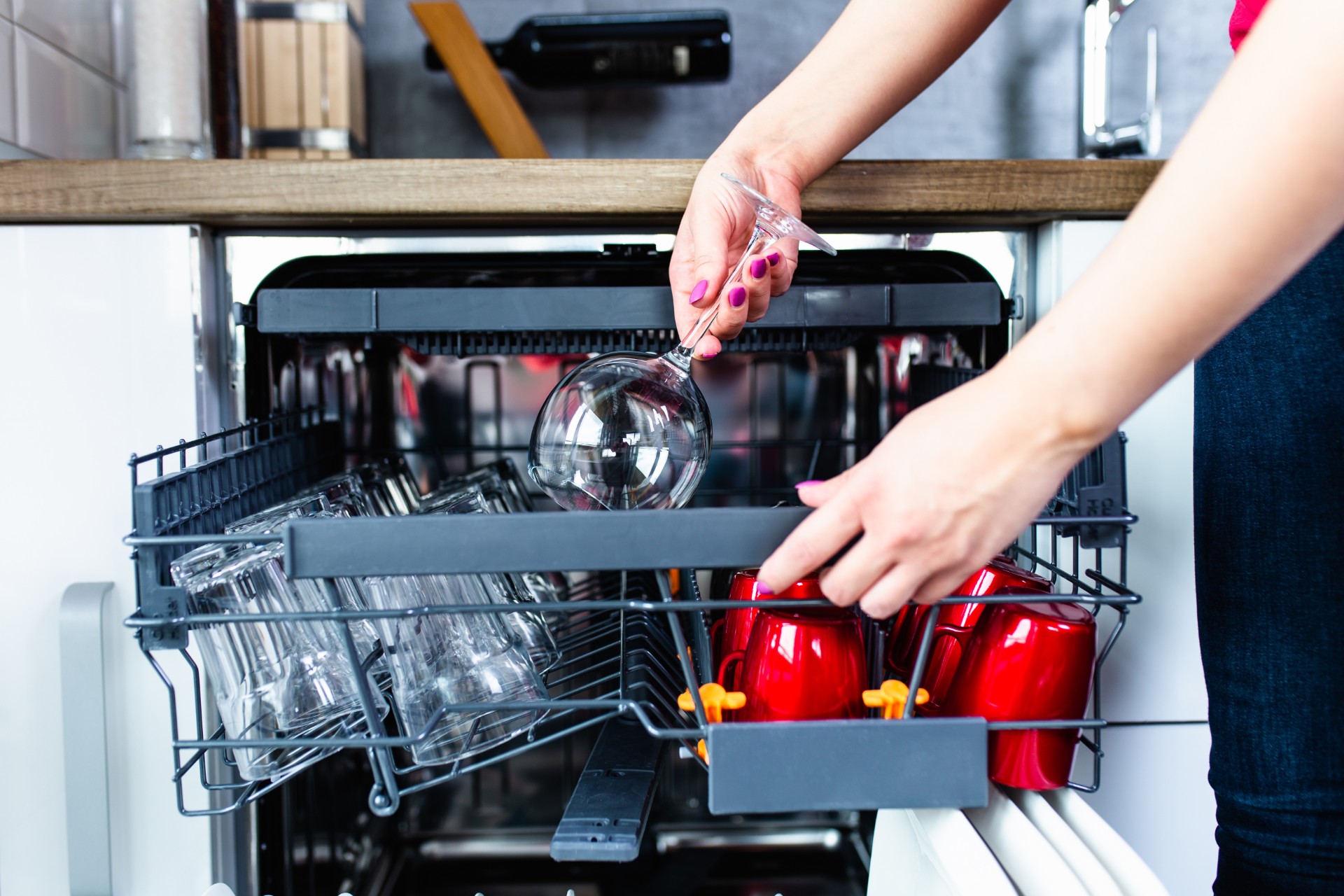
Seriously, who wants to wash dishes? Dishwashers are great, but
they use a lot of energy! This is why it’s important to fully load your
dishwasher before running the cycle. Otherwise, you’re wasting water and
energy.
Speaking of wasting energy, the heat setting on your dishwasher is
super convenient but definitely unnecessary. Once the rinse cycle is done,
hand-dry your dishes or just open the machine and let them air out on their
own. The water is already hot, so it will evaporate quickly.
Ovens are great for cooking food, but they use a lot of energy and
make your home warmer. In turn, your air conditioner works even harder to cool
your home, which leads to big spikes in your bill. To solve this, 1) cook with
your microwave as much as possible, which is a more energy-efficient appliance,
and 2) skip preheating and just pop your dish in the oven.
If your fridge is constantly humming and has trouble staying cool,
the condenser coils likely need cleaning. Depending upon the make and model,
they could be located under, behind or on the back of the fridge. Whether you
clean them yourself or call a professional technician, this will cut down on
the energy consumption of your fridge.
We love a good cookout! You can skip the oven and use the
microwave with some dishes, but no one wants to cook chicken or beef in there. Bleh!
And while grilling can help you avoid heating your house with the oven,
charcoal and propane do release emissions. So, you should keep that in mind
when tracking your carbon footprint.
We wrote a whole blog on this topic, but the gist is this: use 68
°F as a guide and then adjust to your family’s comfort level. When you’re
asleep or away from home for more than an hour, we recommend setting it even
lower. Per the Department of Energy, you can save up to 10% of your heating and
cooling costs by turning your thermostat back 7°-10°F for 8 hours a day from
its typical setting. Remember: heating and cooling your home accounts for 50%
of your energy bill!3
Follow the same strategy during the summer as with winter, but use 75 °F as a starting point. If you’re uncomfortable, turn it down, but keep in mind, this will drive up your bill. But if you feel comfortable, try turning it up even more. When you’re away from home for at least one hour, set the thermostat to 78 °F. The closer your home’s temperature is to the outside, the more savings you’ll see on your electric bill.
We realize this is such an overused tip, but it’s essential in
reducing energy costs.

While this tip does save energy, it also protects your skin. The
longer you stay in the shower, the more your skin dries out. Plus, hotter
showers — those that use more hot water and thus more energy — strip our skin
of its natural oils leading to a higher risk of itchy dry skin. Keep your
shower short (between five and 15 minutes) and hot but not scalding.4
You should turn off the water when brushing your teeth, but you
can save water even when the water is on with low-flow faucets and showerheads.
When choosing a showerhead or a new faucet for your kitchen or bathroom, look
for a WaterSense label. This can reduce your water flow by 30%, — which reduces
how much water needs to be heated for showers and washing hands.5
We talked about this above with the washing machine and the
dishwasher, but hot water accounts for approximately 20% of your utility bill.
It’s directly related to how much energy your water heater expends. Implement
this in all forms of water usage: handwashing, rinsing vegetables, showering
and baths.6
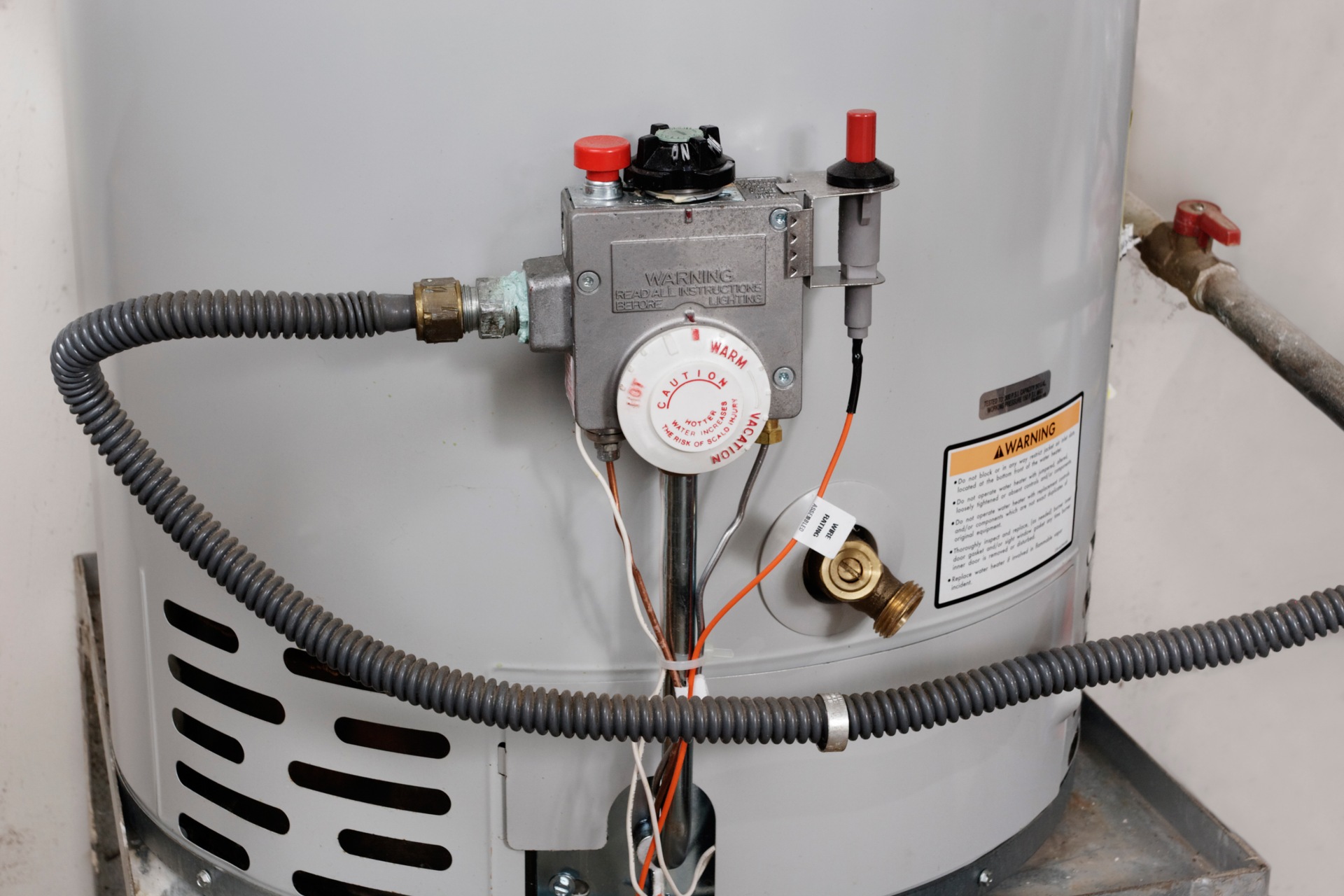
There’s one more way to solve this hot water issue: lower the
temperature on your water heater. Chances are your water heater still uses its
factory settings, which is set at 140 °F. Thus, the EPA suggests you turn this
factory setting down by 20 degrees.7 Better
yet, you won’t even notice it in the shower, but you will see it on your bill.
Water heaters typically have an “R-value.” However, it is super
confusing. The simplest way to tell your water heater needs insulating is just
to touch it. If it’s warm, it needs insulation, because it shouldn’t feel warm
to the touch. A water heater insulation blanket costs around $30 and could save
you 7-16% in water heating costs. The insulation will quickly pay for itself
and then some!8
Passive solar is a modern home design that maximizes the power of
the sun. While we realize most people’s homes aren’t passive solar homes, you
can still implement passive solar tactics in your home. Just by strategically
opening and closing your curtains and windows to heat and cool your home at key
times of the day, you create a passive solar home. You’re using the heat of the
sun to regulate your home’s climate without the use of electricity.
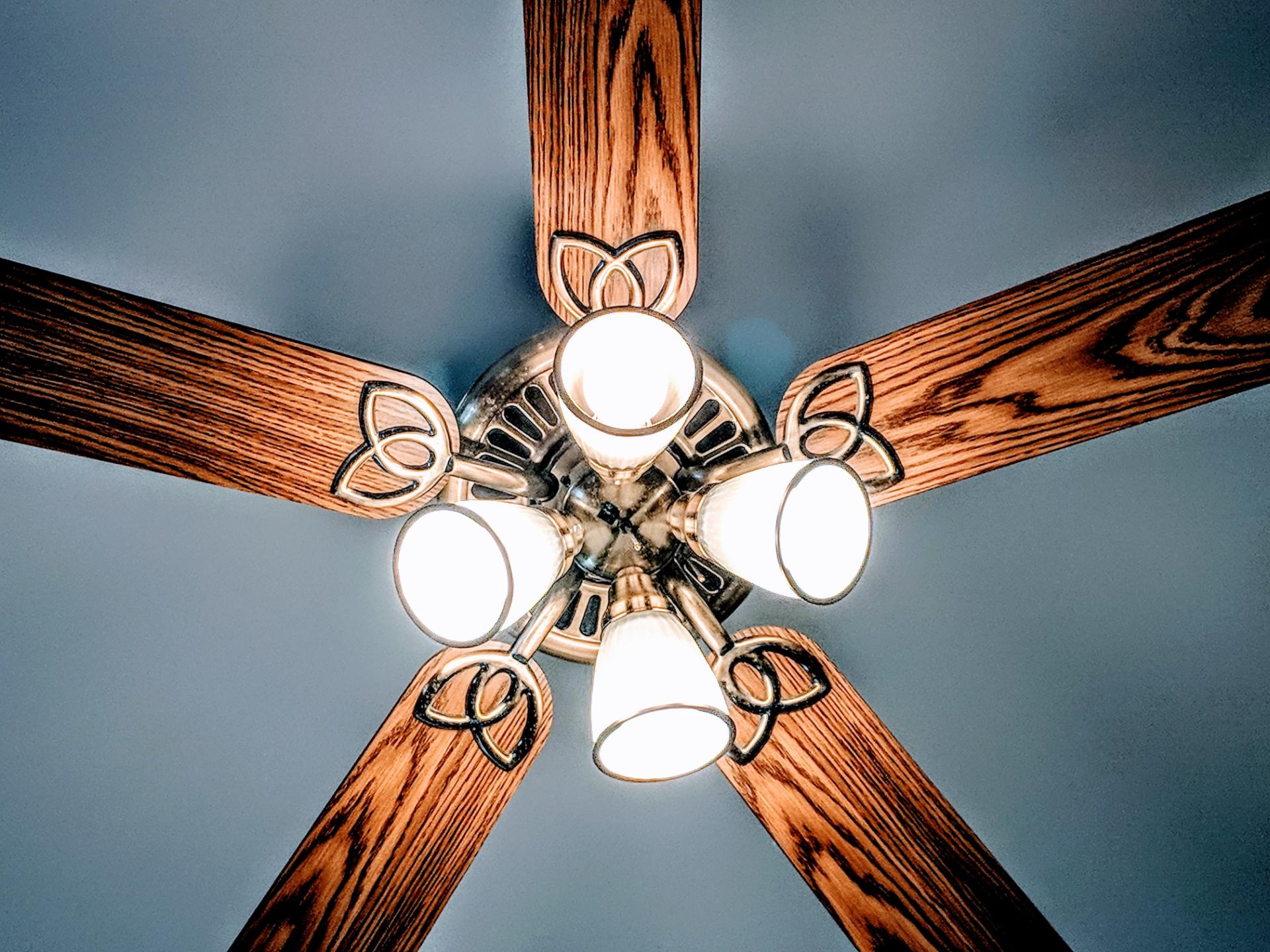
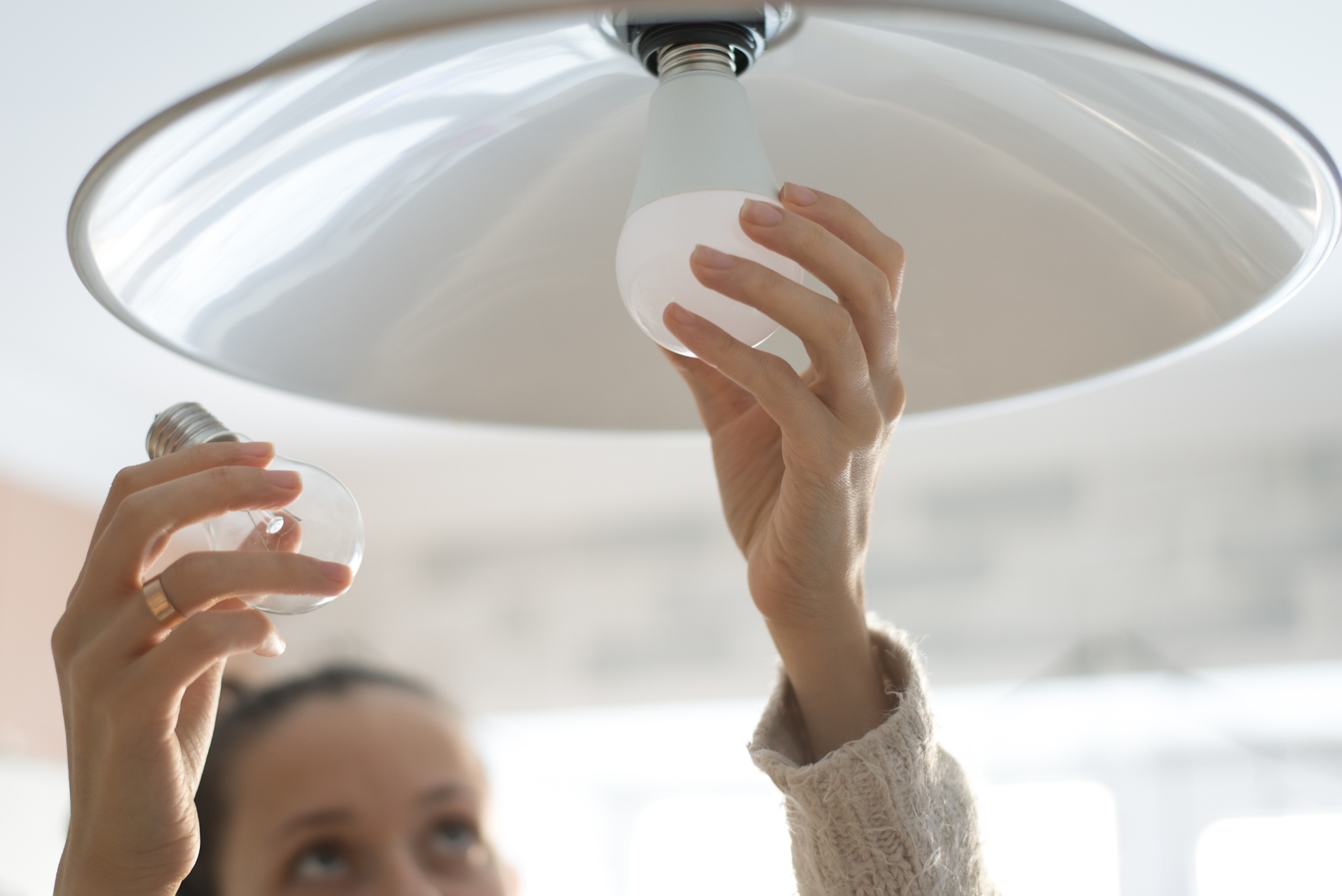
While LED lights used to be expensive, they are now super
affordable! Compared to incandescent lighting, LED bulbs use 75% less energy,
and last 25 times longer.9
We thought about not including this tip since it’s painfully
obvious. We nevertheless included it because it’s important and not everyone
“walks the walk” and actually does it. Per the Department of Energy, the
rule-of-thumb is this:
During the Texas summers, we are not opening our windows to
100 °F heat. But during the milder spring and fall months, you can cool your
home by raising your windows. Also called the “chimney effect,” this form of
ventilation relies on elementary physics: Hot air rises and cool air sinks. The
convection of these two forces creates a breeze that circulates throughout the
house without using electricity.11
Not only does your air filter help keep your home’s air free of dust, dander, and other allergens, but it can also keep your HVAC’s energy consumption down by 5-15%. You should change your air filter every one to three months, or simply follow the instructions of the company that built your HVAC. If you combine that with a fan, you can raise the thermostat 4 degrees and won’t even know it.12
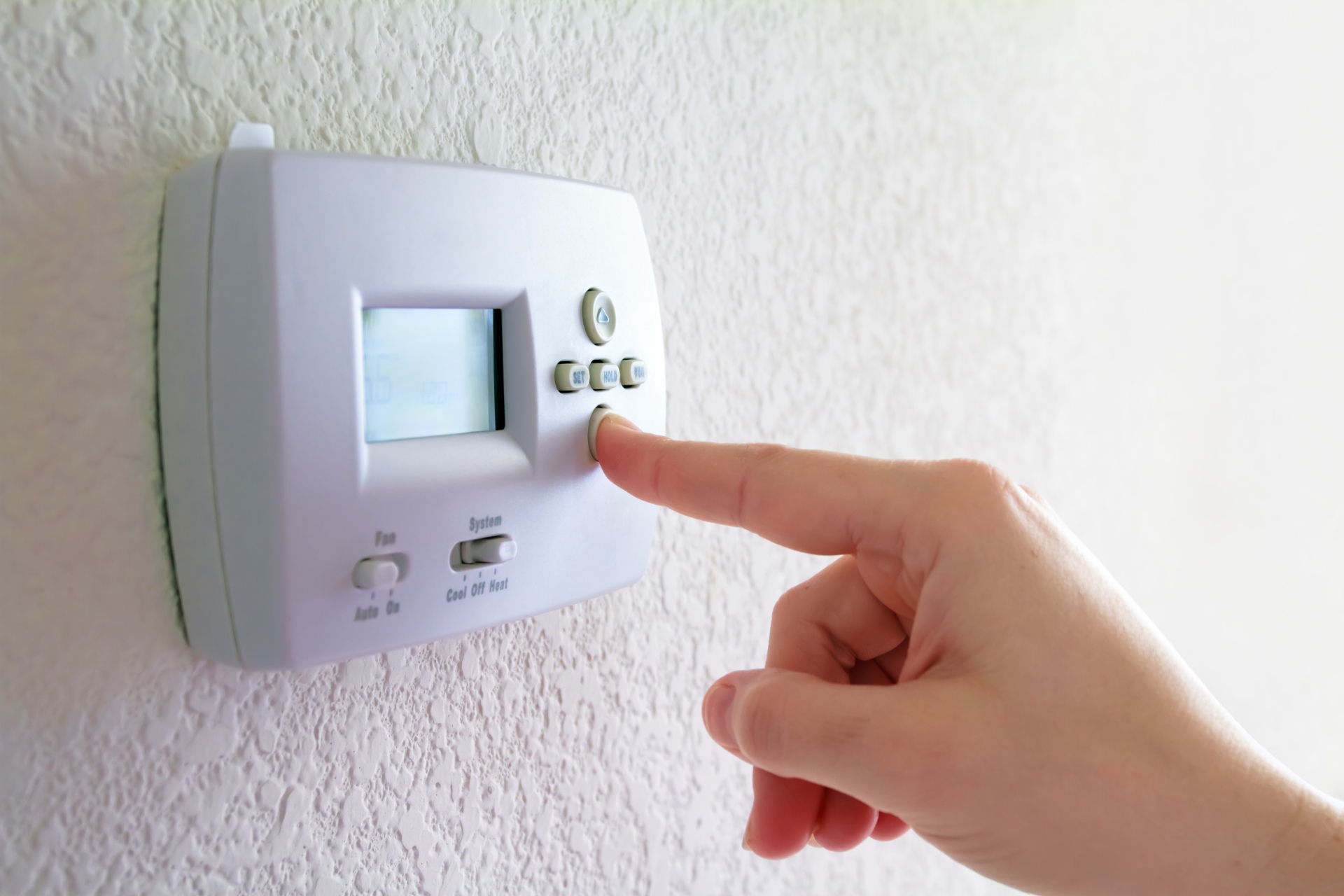
The ultimate set-it-and-forget-it tool, a programmable thermostat
allows you to adjust your home’s temperature based on your family’s schedule.
It’s perfect for people who are always in a hurry and just don’t have time to
constantly fiddle with the temperature every time they come and go.

Appliances that use energy when they’re not in use are called vampire appliances, and many Halloween and horror movie-related puns have been made about them (i.e., energy suckers, slay vampire appliances, taking a big bite out of your wallet, etc.). Bad jokes aside, these appliances account for 10% of your energy bill.13
The easiest fix is a power strip that collects as many plugs as
possible into a single location. When you’re not using the devices, you can
simply switch off the power strip. Vampire appliances include computers, TVs,
game consoles, phones and e-readers.
Another way you can slay these cold-blooded devices is just to
turn them off. Revolutionary, right?
This one-time step reduces your TV’s energy use by 18%-30%.14
Today, washers and dryers aren’t the only appliances bearing
ENERGY STAR logos. Now, you can stream Netflix in peace knowing that your
energy-efficient TV uses, on average, 25% less energy than conventional models
when on, asleep or idling.15 That
said, you should still have this vampire appliance plugged into a power strip
(see tip #22).
Freeze! Put down the newspaper slowly, slowly, slowly. While
stuffing the periodical in between your window seals may be a cheap fix for
sealing drafts, weatherstripping — materials manufactured for sealing your
home’s openings — are inexpensive and one of the quickest ways to save
money.
Simple weatherstripping includes replacing the rubber sealants
around your door, the felt in your window sashes or foam tape around your attic
hatches. These simple steps can save you 10%–20% on your home heating and
cooling costs.15
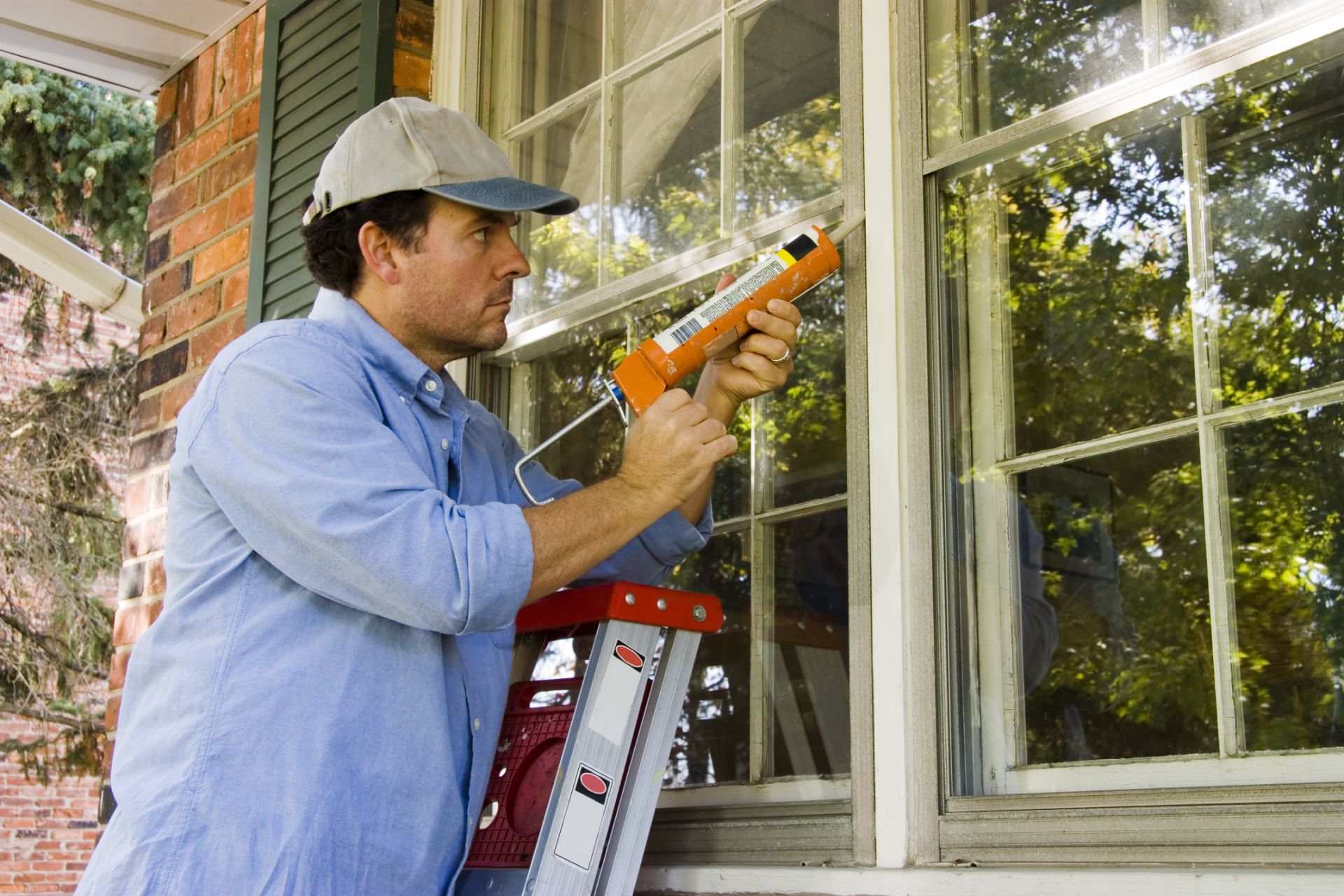
It’s important to note that weatherstripping is used for sealing
areas that are used and moved often (i.e., opening and closing doors, windows
and the attic). Caulking, on the other hand, is used for sealing things that DO
NOT move, such as cracks, openings in and around windows, and seams and joints
around your home. This is just as important as weatherstripping.
Let’s look at a fireplace for what it is: a giant hole in your
home that lets smoke escape when you light a fire. It’s a great way to heat
your home without using electricity, but when not in use, it needs to be sealed
just like your windows and doors.
A chimney balloon is a heat-reactive plastic balloon that inflates
to seal the opening of your fireplace when the chimney isn’t in use. Don’t
worry: If you forget it’s there and light a fire, the balloon will
automatically deflate since it’s heat reactive. Phew!
Another hole to the outside, your attic leads toward a space in
your home that typically isn’t insulated. Thus, it’s important you air seal the
opening to maximize your energy savings. This can be done with an attic box,
which you can build yourself or buy one premade. It’s a removable insulation
piece that covers the hole in your attic to block any air in your attic/outside
from entering your home.16
This can be solved with an energy audit. An energy audit is an inspection of your home, including how it uses energy and the methods in place (i.e., weatherstripping, LED bulbs, water heater insulation, basically everything on this list, etc.) that make your house more energy-efficient. There are two forms of energy audits:
A DIY energy audit is a great “high level” inspection of your
home. It’s easy to spot big drafts, non-LED light bulbs, poorly insulated hot
water heaters, and old weatherstripping in your home. However, a professional
energy auditor will inspect with tools such as a Thermo imaging camera and door
blower that detects the smallest of air leaks that are invisible to the naked
eye.
After an energy audit, you’ll have a much better idea of which
methods (and maybe even more) you should implement in your home if you
really want to lower your electricity bill.
Sources: