
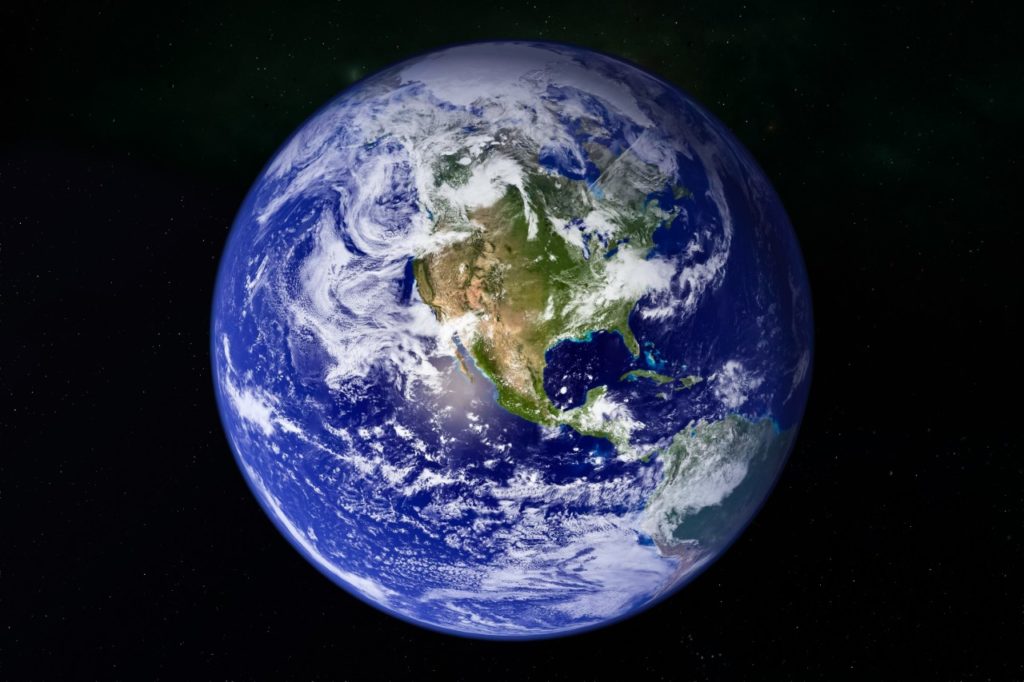
The years 2015 through 2019 were the hottest in recorded human history.1 The reason is climate change, and the bulk of the scientific community believes human activity plays a pronounced role in how it’s changing our world.
In this article, we will investigate the following:
As a retail electric provider going all-in on solar power, Chariot wants to do its part to help people better understand what’s happening on our planet.
The climate scientists at NASA have assembled this description:
“Climate change is a long-term change in the average weather patterns that have come to define Earth’s local, regional, and global climates.”2
This definition is intentionally broad because Earth has experienced dramatic warm periods and ice ages throughout its billions of years of existence. Those shifts in weather patterns have occurred for a variety of reasons, all of which involve severe changes to our environment. The difference is that we’re currently experiencing these effects in a significantly shortened time frame.
Thus, when people say that they’re worried about “climate change,” they’re talking about the current set of changes occurring across our planet. And unlike past global events, our current shifts in weather patterns are doing more than just increasing temperatures. That’s why we’re fans of the definition NASA provides in its Climate Kids area:
“Climate change describes a change in the average conditions — such as temperature and rainfall — in a region over a long period of time. NASA scientists have observed Earth’s surface is warming, and many of the warmest years on record have happened in the past 20 years.”3
By being just a bit more descriptive, it gives readers increased context and nuance.
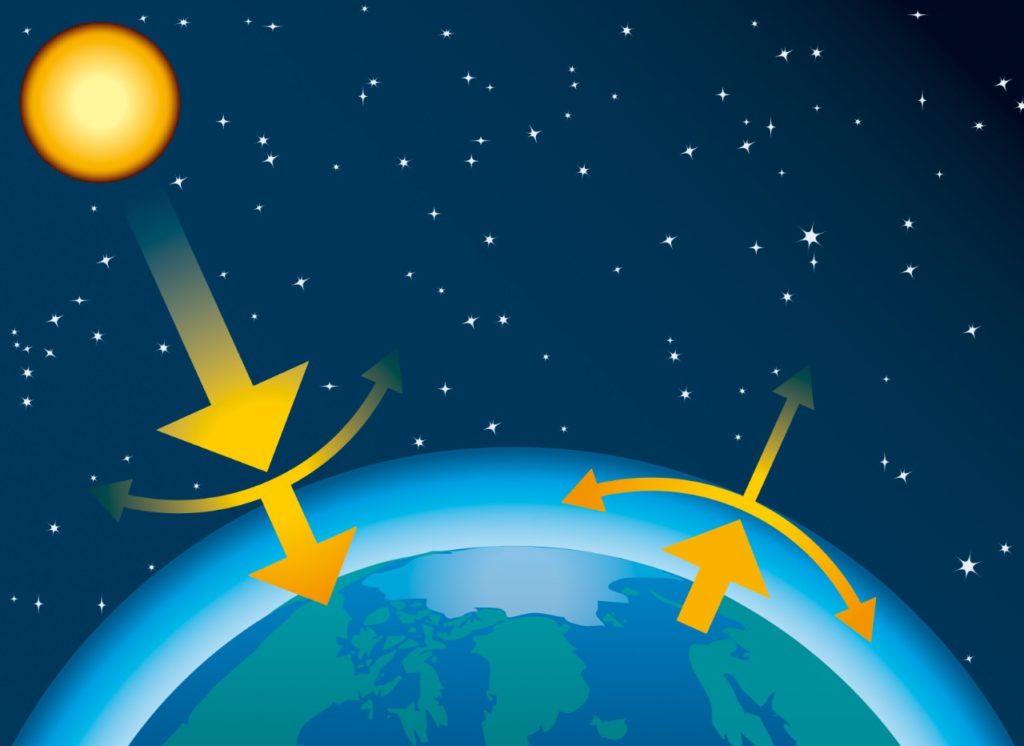
Nearly any environmental event can lead to climate change.4 What matters is how that change interferes with the relationship between greenhouse gases, the atmosphere of our planet, and how those two contend with the rays of the sun.
The greenhouse effect is actually a good thing — it’s what makes life possible on Earth.5 It’s an apt metaphor because it imagines Earth’s atmosphere as the glass walls of a greenhouse. Like plants in a greenhouse are protected from the outside forces, Earth needs a protective layer to maintain the right temperatures for us to survive.
If we retain too much of the sun’s heat energy, we’ll get too hot, but if we don’t let enough of it reach Earth, we’ll get cold. That’s where greenhouse gases come into play.
Greenhouse gases (GHGs) are gases in the atmosphere that trap heat from the sun and prevent it from leaving the Earth’s atmosphere. There are seven GHGs:
The first four on that list occur in nature, while the latter three are man-made. We’re used to thinking of all greenhouse gases as bad, but they’re beneficial in keeping our atmosphere warm. It’s only when there is too much or too little of them that Earth’s surface temperature gets out of whack, which can lead to plant and animal life dying off.
In essence, this is what causes climate change: an overabundance or under-abundance of one or many of the greenhouses gases wreaking havoc on the greenhouse effect.
Yes, according to the greater scientific community.6 The long answer, however, involves understanding why, when, and how people act so that the levels of greenhouse gases sent into the environment decreases.
Plants and animals have been on Earth for millions of years creating all manner of carbon dioxide, methane, and nitrous oxide. It’s only been in the past few centuries that humans have begun to create levels of greenhouse gases above and beyond the planet’s capability to sequester or remove them from the atmosphere and back into the Earth in time.
It’s especially gotten bad once we started expelling artificial gases that our atmosphere can’t handle. In other words, human activity — specifically the over-consumption of goods and services that generate greenhouse gases — has created an overabundance of air pollutants. The result is that our planet can no longer eliminate that excess through its own natural processes.
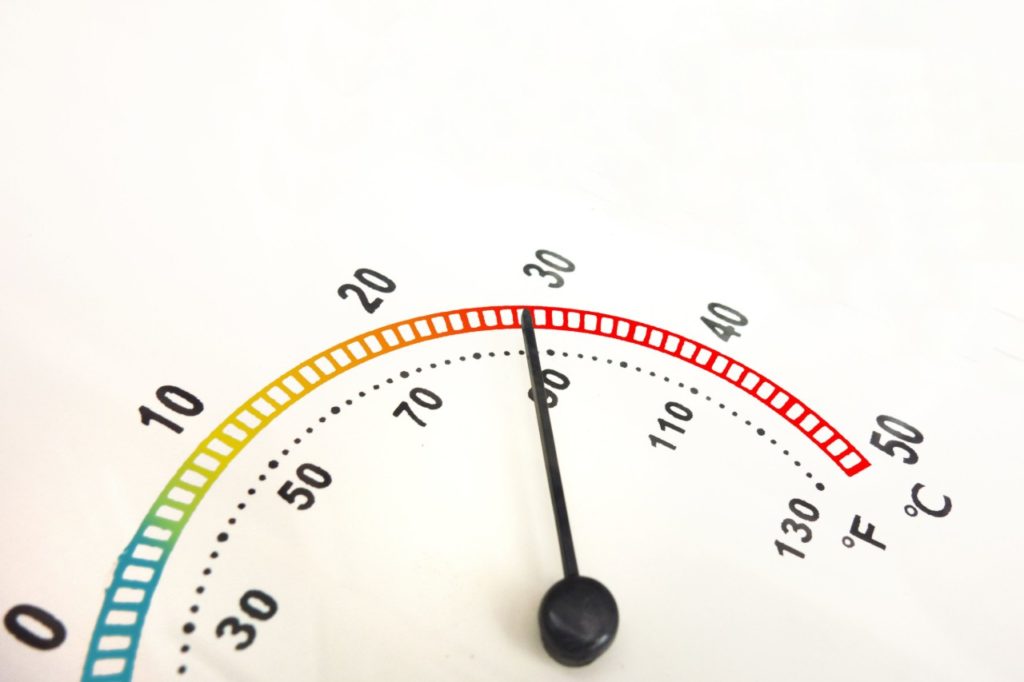
Many people use these concepts interchangeably, but while they are related, they are not the same.
You can have global warming as part of your climate change, but you can have climate change without experiencing global warming. This is why environmentalists prefer the term climate change to describe what’s happening now.9 Yes, our planet has definitely been getting hotter over the last century or so, but it’s also seeing dramatic changes in weather patterns, including increased hurricane and tornado activity as well as longer and deeper cold snaps.
Simply put, the climate IS changing, and more is happening than just higher temperatures.
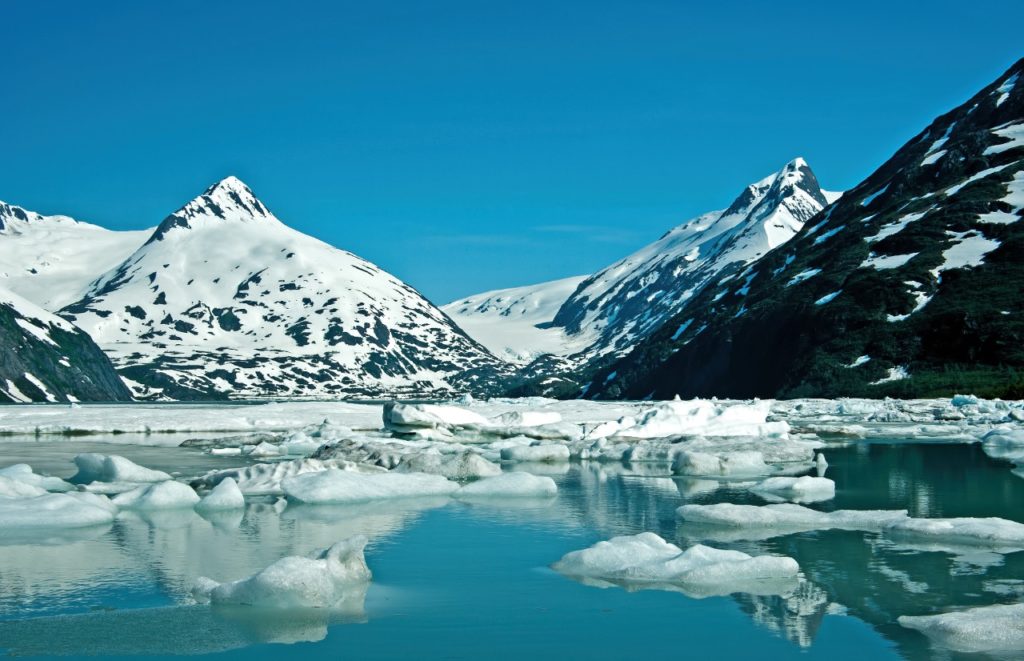
You can measure the effects of climate change by tracking several key environmental factors, including:10
In our current situation, climate change has created the following effects:
These changes in our world can lead to additional factors that impact our everyday lives:
The overall result is an ever-warming Earth because our atmosphere is retaining more greenhouse gases inside our “greenhouse” than the planet needs.
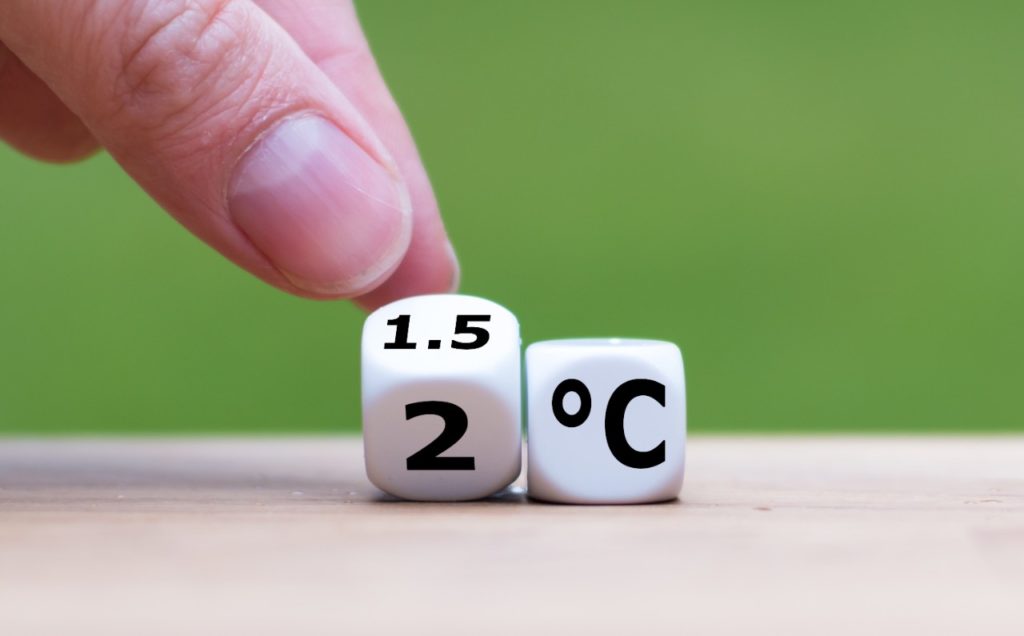
While experts believe that we can correct the current direction of climate change, they also say it will require hard choices and definitive action. According to the 2015 Paris Agreement, which was signed at the 21st Conference of the Parties (COP 21) of the United Nations Framework Convention on Climate Change (UNFCCC), the aims were rather straightforward:
“Strengthen the global response to the threat of climate change by keeping a global temperature rise this century well below 2 degrees Celsius above pre-industrial levels and to pursue efforts to limit the temperature increase even further to 1.5 degrees Celsius.”11
While that sounds good — because lowering the global temperature definitely needs to happen — it’s important to recognize what that means in practice. It’s one thing to talk about how governments need to lower carbon emissions, locate emerging technologies, and determine new financial approaches to resulting shifts in the global economy. But it’s another thing entirely to help the average person understand how they can help.
We recommend taking the following steps to lower your personal carbon footprint:
For more details on how you can do your part to limit the worst parts of climate change, check out our article on how you can impact the planet for good.
The overall goal for reducing climate change on a global scale is to reduce the levels of greenhouse gases in our atmosphere. Since we need the greenhouse effect to support life on Earth, we need our atmosphere to stay within a specific temperature range that supports the greatest possible levels of life. If our greenhouse gets off-kilter, it will have detrimental effects on our planet.
Sources:
[1] https://www.noaa.gov/news/2019-was-2nd-hottest-year-on-record-for-earth-say-noaa-nasa
[2] https://climate.nasa.gov/resources/global-warming-vs-climate-change/
[3] https://climatekids.nasa.gov/climate-change-meaning/
[4] https://19january2017snapshot.epa.gov/climate-change-science/causes-climate-change_.html
[5] https://youmatter.world/en/definition/climate-change-meaning-definition-causes-and-consequences/
[6] https://www.nrdc.org/stories/global-climate-change-what-you-need-know
[7] https://www.climaterealityproject.org/blog/difference-between-global-warming-and-climate-change
[9] https://climate.nasa.gov/faq/12/whats-the-difference-between-climate-change-and-global-warming/
[10] https://climate.nasa.gov/evidence/
[11] https://unfccc.int/process-and-meetings/the-paris-agreement/the-paris-agreement