

If you clicked on this article, chances are
you’re considering whether it’s worth it to install solar panels on your home.
You could save thousands in electric bills, you’d help the environment, you’d
raise the value of your home — when you really think about it, there are many
reasons why investing in solar energy is a good decision.
Well, as luck would have it, your timing is
impeccable. Congress extended the Solar Investment Tax Credit (referred to as
the ITC), the very subsidy that gave birth to the massive U.S. solar industry
you see today. However, despite its overwhelming success and popularity amongst
homeowners and solar electricity generators alike, the credit’s value will
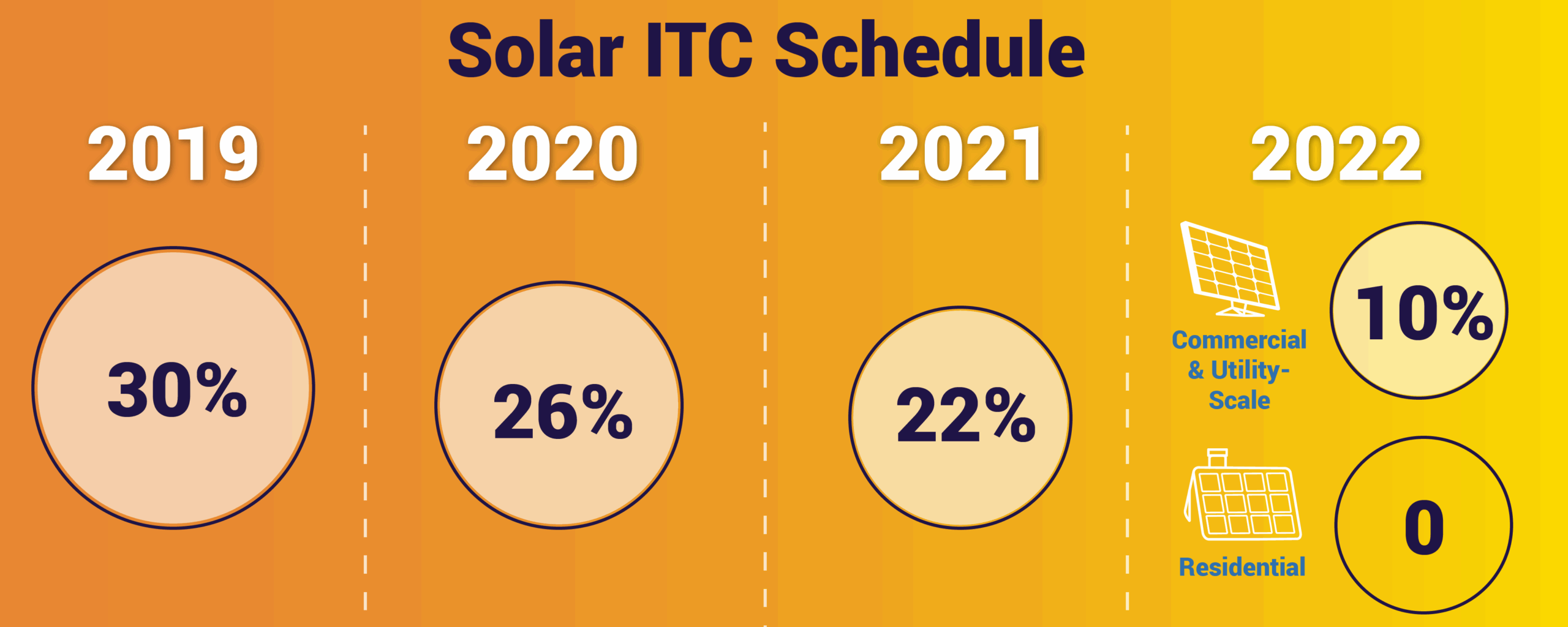
begin to dwindle after 2019. It will shrink to a mere 10% for commercial and
utility-scale installations by 2022 and completely vanish for residential solar
in that same year.1
There’s no need to worry — not yet anyway.
Right now, homeowners can still take advantage of this money-saving opportunity
by investing in a home solar system that will pay for itself in a few years.
However, not every home is a suitable
candidate for solar panels, and a lot of people want the benefits of solar but
not the actual panels.
That’s why we’re here. While we don’t (yet) install residential solar energy systems, we are still residential solar experts — by answering these 11 questions, you’ll gain a greater understanding of home solar and if it’s right for you.
To know how much energy your family uses,
simply look on your last electricity bill. It will tell you how much energy
you’ve used in kilowatt-hours (kWh), and how much the electric company is
charging you. If your utility company has an online portal, even better! This
way, you can investigate how much energy you’ve used over time — without
keeping all of your old bills.
Why it
matters: Homeowners need to be aware of how much
energy their household uses — both in general and before choosing solar. If you
consume a lot of electricity, then you’ll need more solar panels to power your
home. If your household uses less than average per square footage (or you’re
planning on becoming more energy-efficient), that translates to fewer solar
panels required and a smaller monetary investment, which means more dollars in
your pocket.
Just like question one, you should either find
a recent utility bill or calculate the average amount you pay over a 12-month
period. The latter will be more accurate since your energy bill fluctuates
based on the time of year, as you use more electricity in some months than you
do others (thanks, air conditioner!).
With that information in hand, you can
calculate how much money you could save if you completely powered your home
with solar panels.
$120 (average monthly electric bill) x 12 (months per year) x 30 (average lifetime of solar panels in years) =
$43,200!
Keep in mind: This raw number doesn’t include the cost of solar panels, installation or maintenance.
If you discovered in the above steps that you use a LOT of energy or if you’re generally interested in reducing your already-low bill even more, we’ve written a very helpful article with energy efficiency tips. But if you’re thinking “Too long, didn’t read,” let’s quickly recap our seven tried-and-true energy usage reduction tips:
With the 30% investment tax credit (ITC) credit shaved off, an average solar panel installation will likely run you an average of $12,500.4 However, with the planned phase-out of the ITC, that price will most definitely increase over each subsequent year:
However, there are a number of other
incentives and rebates currently available. Check your state, city and even
your local utility (also called your Transmission and Distribution Service
Provider), as many of these entities encourage the installation of solar.
Plus, if you’re in a state like Texas, you have the option of net metering (which we discuss in further detail below). In a nutshell, net metering creates opportunities for households to be compensated by their utility company if they produce more solar energy than they use in their homes.
This only further increases the ROI on your
solar panels and hopefully makes that investment seem a little less daunting.
Your roof, the angle, the surroundings, even
where you’re located in the U.S. can determine the maximum amount of power your
rooftop solar panels can produce. A few key factors you should check are:
On average, a household expends 10,972 kWh
annually or 914 kWh every month.6 Yes, your home’s energy usage is
unique, but for the sake of the math later, let’s stick with this statistic.
While this estimate should not replace a professional evaluation, it provides a
rough idea about the feasibility of
solar panel installation for your house.
Now, let’s do the math:
30 kWh (your daily electricity use) x 1 (or 100% of your energy use to be powered by solar) x 1kWh (how much electricity your panels produce per day) =
30 solar panels
While you could completely power your home
with solar panels, the majority of homeowners don’t use them as their only
power source. Instead, their homes are net-metered. Here’s how it works:
If you want to be compensated for your excess
renewable energy, you should check to see if your state offers net metering and
whether there are any policies in place around them. Currently, 38 states have
mandatory net metering rules in place, and two states — Texas and Idaho — have
voluntarily adopted net metering programs.7 Which means only some
utilities have policies in place.
The only way you won’t need an electricity
plan is if you’re completely off the grid. This is an extremely rare setup and
requires a battery storage system (more below). If your home is net-metered,
you have an agreement with a retail electricity provider wherein they will
agree to buy the excess power off your hands. Chariot Energy happens to be one of
those providers!
If you have battery storage, you don’t
necessarily have to be “off the grid.” If you have solar panels but don’t have
a net metering contract with an electric company and are still connected to the
power grid, then you need battery storage so you can use the excess clean
energy for a later time when your panels aren’t producing.
The ultimate
question. How long will it take your solar panel system
to break even? While we could provide that rough estimate for how many panels
you need, there are so many unique factors that can determine when your solar
system will pay for itself:
That said, the average break-even mark is
around 7.5 years.8 After that, you’ll begin saving money. And do
keep in mind that these systems last for 30 years.
If you discover you’re not eligible for
rooftop solar panels, you have other options, including:
While ground mount panels typically bear higher installation costs, the benefit is your solar system isn’t married to your roof’s specifications, so you can adjust the size, height and angle of your panels as the sun dictates. Community solar is ideal for those who cannot or prefer not to install solar panels on their own land. Community solar, or a solar garden, is a solar power plant whose electricity is shared by more than one home.
RECs, on the other hand, are perfect for those that cannot or prefer not to have solar panels. A REC is a sellable, tradable and barterable legal instrument that represents the environmental benefits of renewably generated electricity. RECs are the basis of all green and renewable energy plans, even ours at Chariot Energy! Contact us today if RECs sound like a good option for you.
Yep — we realize this process can be a bit
intimidating for anyone, let alone if you’re just entering the world of solar.
And right now, you probably have way more questions than answers. We recommend
taking one question at a time in the order we put them in — we numbered them
for a reason. 😉
If you’ve got sticker shock, you’re not alone.
Think of an investment in solar panels this way: Installing solar panels is
like buying a car. It’s a big investment, but if you do your research, test
drive a few, and make a smart and informed decision, your investment will
provide great returns for many, many years.
Sources: