


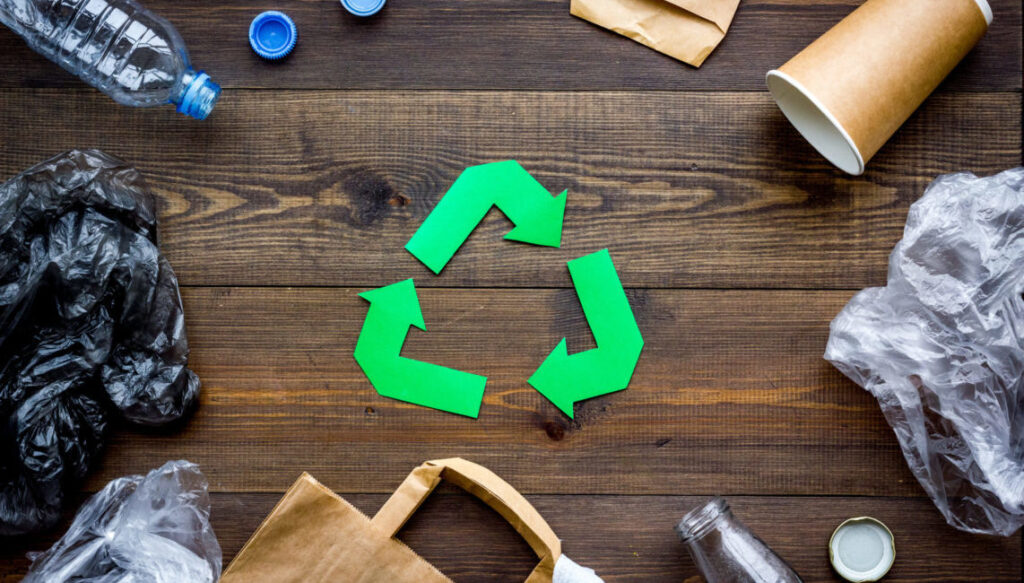
Today, most of the trash in the United States can be sorted into two groupings: a blue bin for trash and a green one for recyclables. Sounds pretty straightforward, right? Well, not really.
From used cardboard pizza boxes and plastic bags to single-use coffee cups, we’ve all unknowingly recycled something incorrectly. The recycling industry calls this aspirational recycling or wishful recycling. This is when we think something is recyclable, but it really belongs in the garbage.
When a batch of recyclable goods containing trash makes its way to a recycling facility, it could potentially contaminate the whole batch of otherwise good recyclable material. If a batch is deemed contaminated, waste managers won’t buy it (recycling is an industry, after all), which means all of that otherwise recyclable material goes to the landfill.
Every municipality in the U.S. has different rules and regulations around recycling, depending upon the type of recycling centers available in the area. To simplify matters, we’ve selected seven of the most common culprits that people throw in the wrong bin, explain what to do with them, and tell you how to properly recycle them.
When in Doubt, Throw It Out
Countless recycling associations advocate this phrase. When you throw things in the recycling bin that aren’t meant to be recycled, it can damage recycling equipment and contaminate other recycled goods. Improper wishful recycling defeats the entire point of recycling. Your good intentions amount to nothing when you don’t act responsibly.
That’s why it’s so important to educate yourself and others on what’s actually recyclable in your area and what should go in the trash. You’ll be doing the recycling industry (and the environment) a favor.